
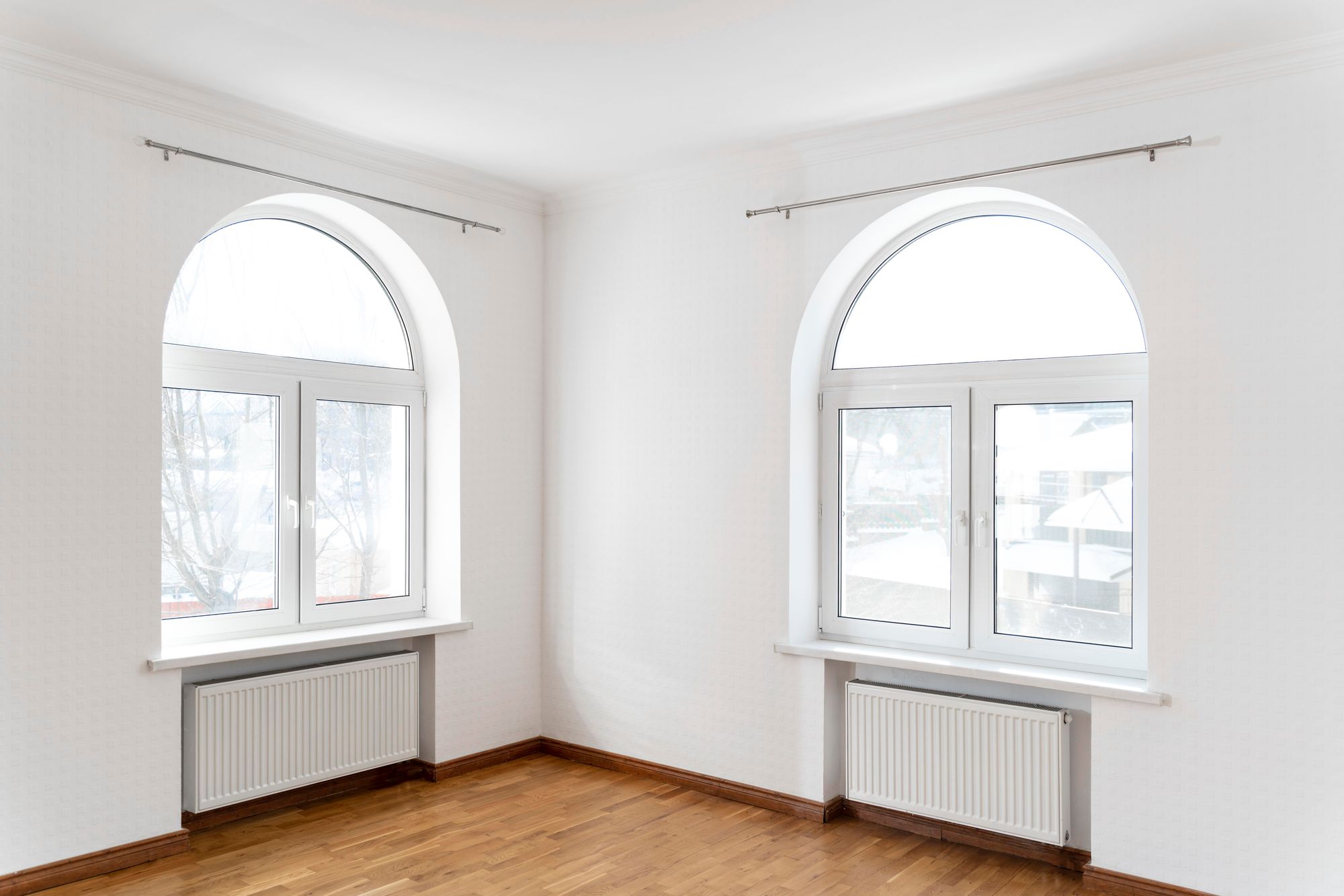
Walk into any newly designed luxury home or cutting-edge office building and one design feature almost always dominates the space: vast, floor-to-ceiling windows with almost invisible frames. They don’t look like windows in the traditional sense—they look like uninterrupted sheets of glass, merging inside and outside into one seamless view. These are Minimal windows, and architects around the world can’t seem to get enough of them.
But why exactly are architects obsessed with minimal windows? The answer isn’t just about looks (though the aesthetic is striking). It’s about a combination of psychology, technology, and cultural shifts in how we think about space and living. Let’s break down the qualities that make minimal windows an architectural obsession.
1. The Allure of Seamless Views
Minimal windows are designed to maximize transparency. Their defining feature is slim—or sometimes almost invisible—frames that don’t interrupt the glass. For architects, this opens up possibilities to treat a view like a living, moving artwork.
Imagine standing in a living room perched on a hillside. Traditional windows would chop up the scenery into rectangles. Minimal windows, on the other hand, create a wall of glass, making the outside feel like an extension of the room. For architects, this is irresistible. It transforms nature into part of the architecture itself.
This is more than aesthetics—it’s psychological. Research consistently shows that access to natural views reduces stress, boosts productivity, and improves well-being. Architects know that when they design with minimal windows, they’re not just making a house look expensive. They’re creating a healthier, more connected living experience.
2. Blurring the Line Between Indoors and Outdoors
In modern architecture, one of the most desirable effects is indoor-outdoor living. Minimal windows make this concept feel natural and effortless. They allow homeowners to open huge sections of glass that slide seamlessly into walls or stack invisibly, erasing barriers between a living room and a terrace, or a kitchen and a garden.
This reflects broader cultural shifts. People want homes that feel integrated with nature, workplaces that don’t feel boxed-in, and hotels that immerse them in their surroundings. Minimal windows cater perfectly to this demand.
Architects also love how this design principle lets them experiment with space. Instead of rigidly defined “inside” and “outside,” they can create fluid, adaptable zones. A small urban apartment suddenly feels twice as big when a glass wall opens onto a balcony. A country retreat feels less like a house and more like part of the landscape.
3. Clean, Modern Aesthetics
Minimalism in design is about stripping away unnecessary details, leaving behind clean lines and simple forms. Minimal windows embody this perfectly. By eliminating bulky frames, mullions, and decorative features, the design becomes all about clarity and light.
For architects, this simplicity is liberating. They can design bold, geometric structures without worrying about window frames cluttering the look. A crisp concrete wall paired with an uninterrupted sheet of glass creates an aesthetic balance that feels sharp, modern, and timeless.
This obsession also ties into cultural movements. As more people gravitate toward decluttered, minimalist lifestyles, architecture mirrors that preference. Minimal windows signal sophistication, restraint, and modern taste. They’re not flashy, yet they instantly communicate a certain level of refinement.
4. Advances in Technology
Minimal windows aren’t just a style choice—they’re a feat of engineering. A few decades ago, huge panes of glass would have been impractical, energy-inefficient, and unsafe. But advances in glass manufacturing, structural supports, and thermal insulation have changed the game.
Today’s minimal windows can be double or triple glazed, coated to reduce heat loss, and reinforced to withstand storms or even earthquakes. Hidden tracks and high-performance rollers allow massive panes—sometimes weighing hundreds of kilograms—to glide open with just a touch.
For architects, these innovations open new creative possibilities. They no longer have to compromise between aesthetics and functionality. A beachfront villa can have glass walls without turning into a greenhouse. A mountain chalet can have panoramic windows without losing insulation. Technology has turned what was once a luxury fantasy into a feasible, if still premium, design feature.
5. The Drama of Light
Architects are obsessed with light—how it enters a space, how it moves throughout the day, how it shapes mood. Minimal windows are essentially tools for sculpting light.
Because they maximize glass surface area, they allow spaces to be bathed in natural light. Subtle shadows and reflections shift hour by hour, adding dimension and dynamism to otherwise static interiors. A kitchen might glow in the morning sun, while a living room feels warm and golden at sunset.
Artificial lighting can’t compete with this richness. Minimal windows let architects use light as a design material in itself, giving buildings a sense of life and rhythm.
6. A Status Symbol in Architecture
Let’s be honest—minimal windows are expensive. The engineering, custom glass production, and precision installation come at a premium. That’s part of their allure.
For architects working on high-end projects, minimal windows are a statement. They signal cutting-edge design and exclusivity. Just as luxury cars showcase advanced engineering in sleek packages, minimal windows showcase architectural sophistication.
Clients often demand them because they’ve become associated with wealth, taste, and aspirational living. For architects, meeting this demand is also an opportunity to show off their mastery of modern design trends.
7. Sustainability and Efficiency
Interestingly, minimal windows also align with the growing push for sustainable building practices. High-performance glazing reduces heat loss, cutting energy bills. Strategic placement of minimal windows can reduce reliance on artificial lighting.
Architects obsessed with sustainability see minimal windows not just as an aesthetic indulgence but as a practical tool. They help buildings perform better environmentally, without sacrificing beauty.
8. Emotional Impact
Finally, minimal windows resonate because they create emotional experiences. Walking into a space with a 30-foot wall of glass overlooking a city skyline or ocean horizon isn’t just nice—it’s breathtaking. It creates a sense of awe, freedom, and openness that traditional windows can’t match.
For architects, this emotional payoff is powerful. They aren’t just designing structures; they’re shaping experiences. Minimal windows are one of the clearest ways to create a “wow” moment that clients, visitors, or homeowners will never forget.
Ready to open your world with minimal windows
Minimal windows aren’t just a trend—they’re a movement toward openness, simplicity, and seamless connection with nature. At BES, we bring this vision to life with designs that enhance aesthetics, well-being, and modern living.